Meet the face behind
Hard Part Done
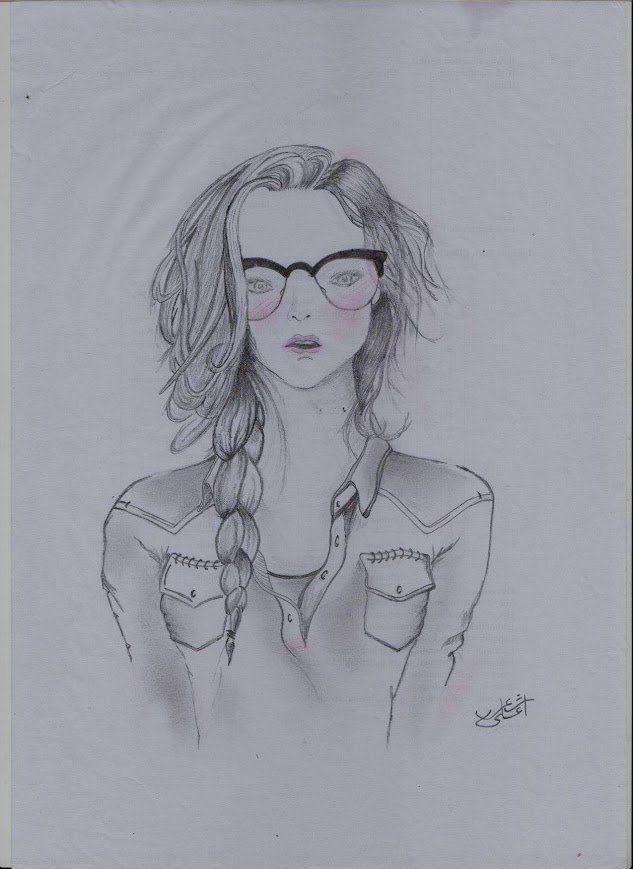
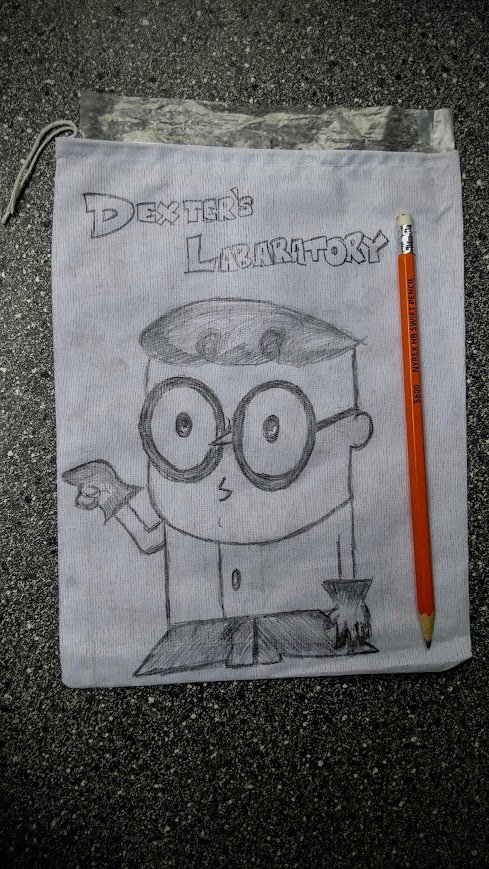
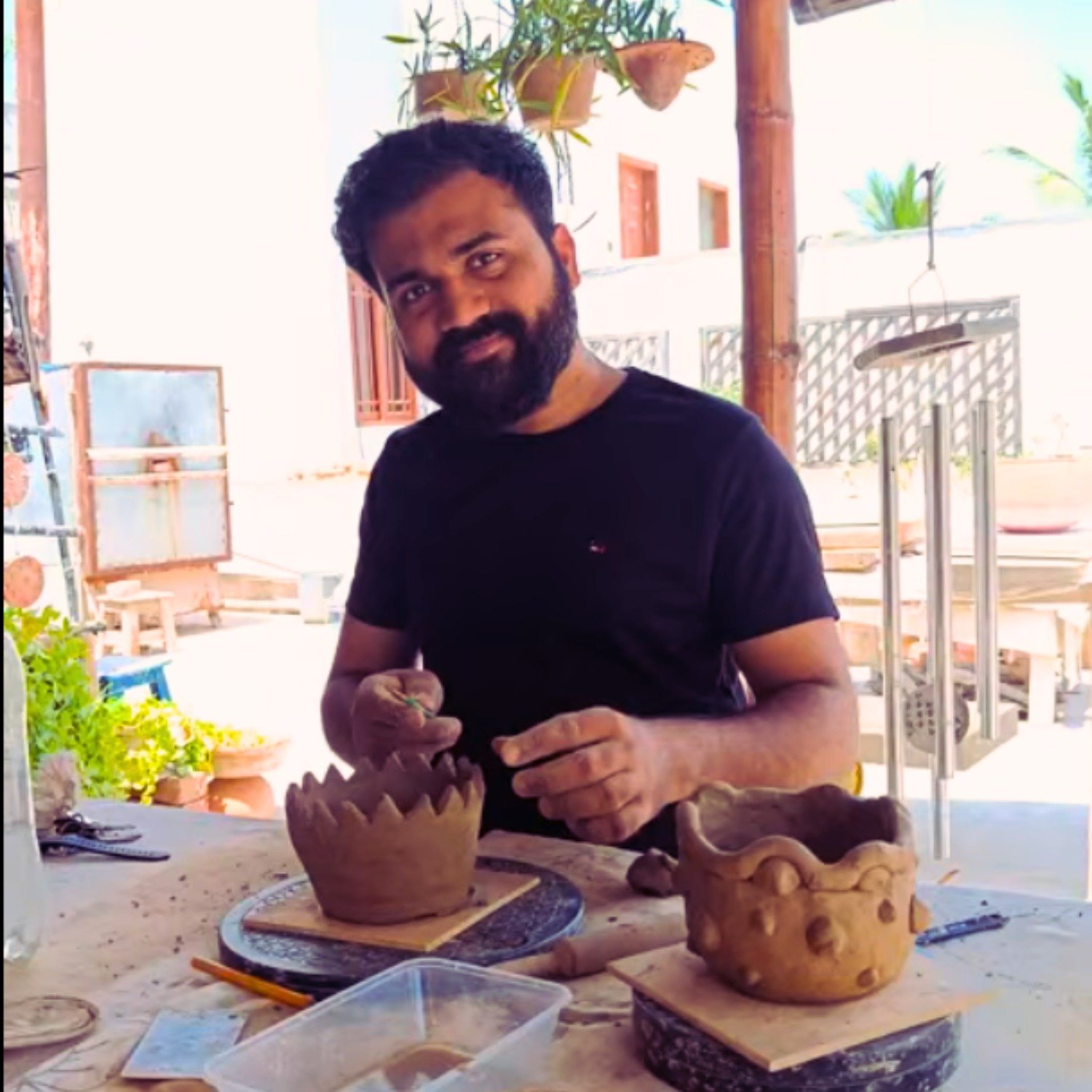
I made things before I made money. Paper, wood, clay, whatever I found lying around the house. Give me a blank sketchbook and some colored pencils and I’d disappear for hours. Nobody had to tell me to do it.
Then I spent eight years working in the oil industry. Normal job, steady paycheck, far from sketchbooks.
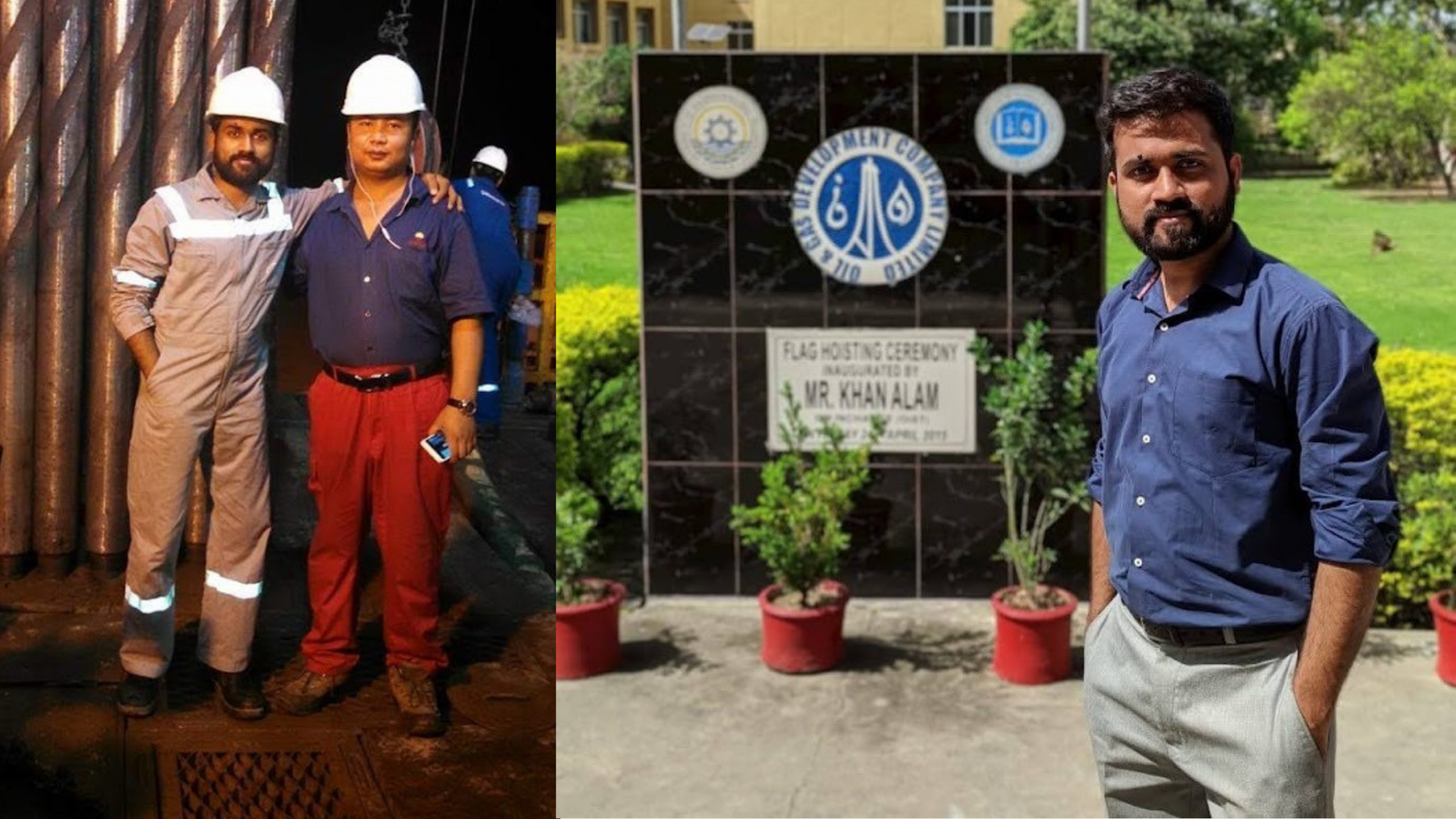
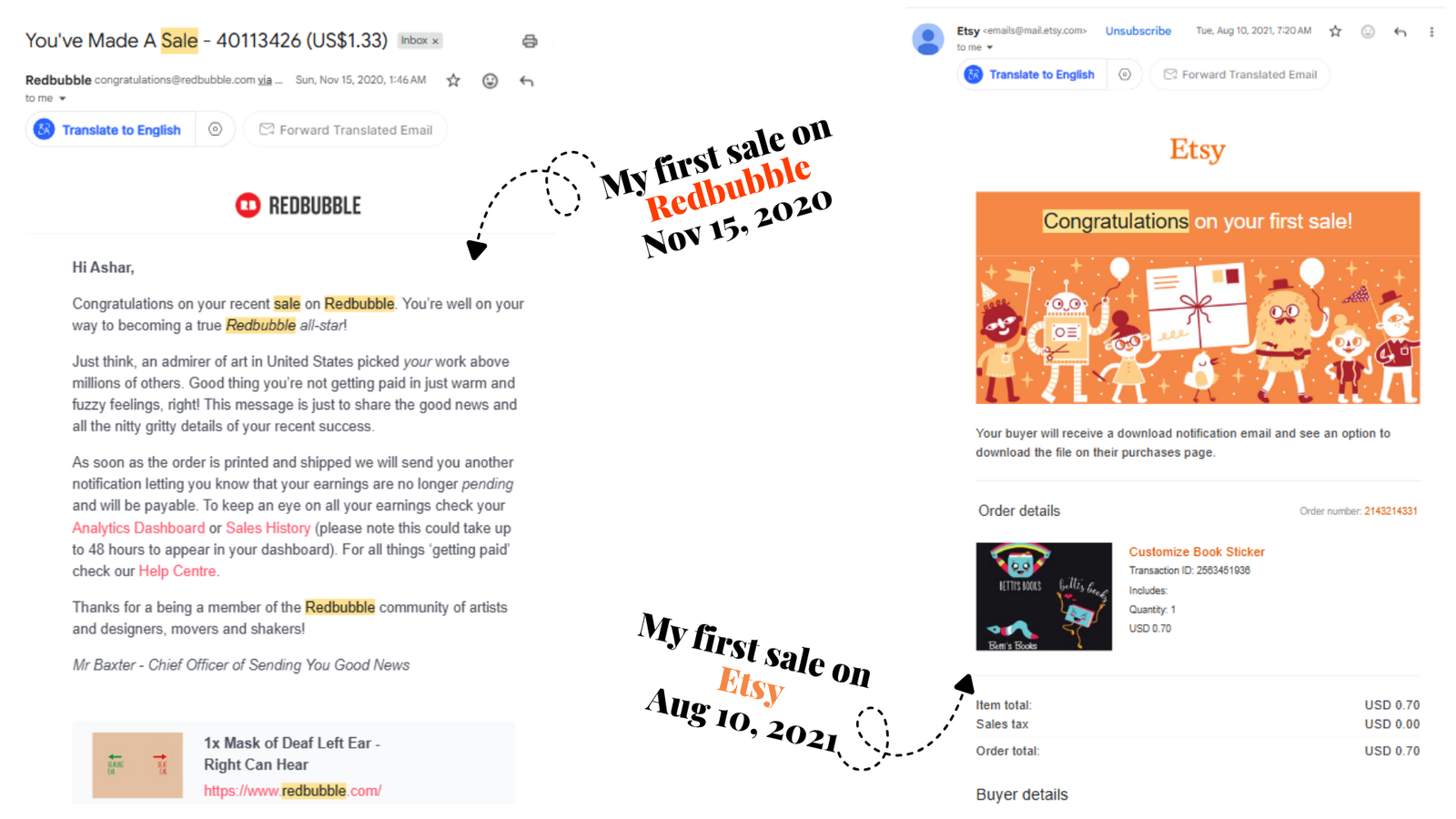
In 2019, the making-things part of me came back. I found print on demand almost by accident, late at night, the way most side hustles start. I put designs on Redbubble first. Then TeePublic. Then Spreadshirt. Then Etsy, back when sellers in Pakistan could still open accounts with local details. That door closed not long after. I got in just in time.
On Etsy, I did not start with a plan. I started with digital patterns, then tried physical products, then drop shipping, then a few other digital product types. Most of it taught me something only after it failed. I learned how people search for things, why one product takes off while another one just sits there, and how one bad photo or a lazy title can quietly kill a good listing.
Other sellers started asking for help. I said yes more than I meant to, and eventually that turned into a real team. Product research, design, listings, marketing, growth. We have now worked with more than 80 Etsy stores across the US, UK, Germany, New Zealand, Australia, Italy, Israel, and Turkey. Together those stores have made around a million dollars in profit.
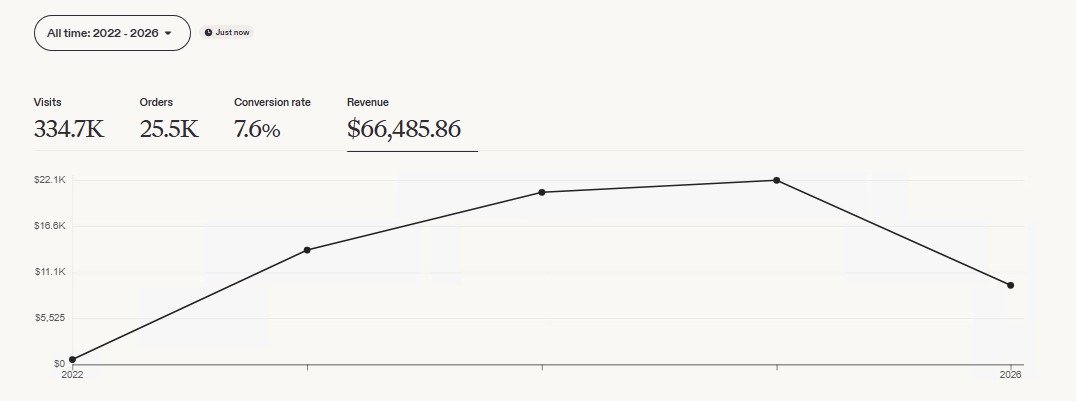
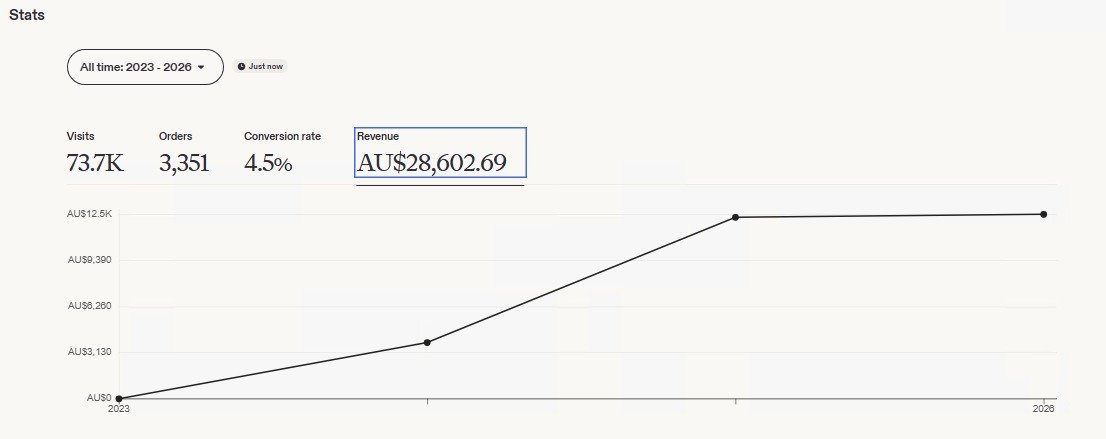
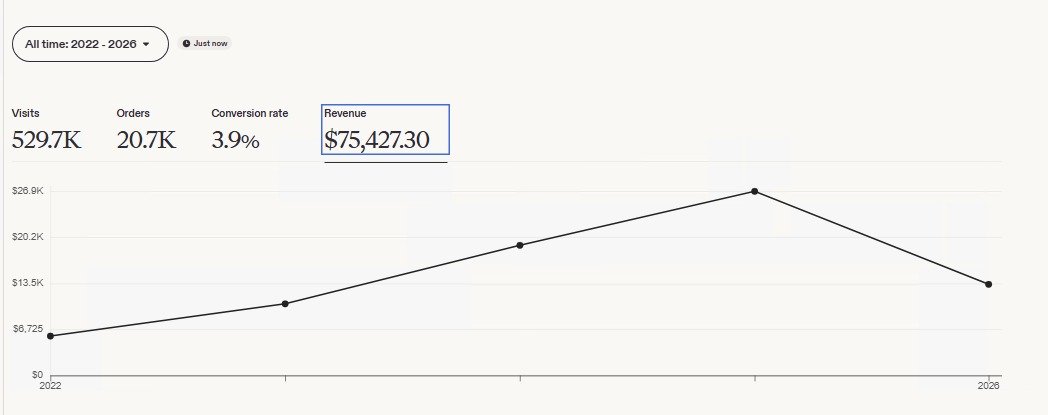
I will be honest about one thing. I have watched sellers use fast tricks that spiked their sales for a few weeks and then got their store shut down. I would rather grow slower and keep the store. That is the whole reason I do this the way I do.
Etsy has not sat still since 2020. Pandemic demand, fee increases, new rules, more competition, and now AI moving fast into everything. Every one of those changes made us test what we thought we knew. Some of it still worked. Some of it quietly stopped working, and we had to notice before it cost someone their shop.
Here is the pattern I kept seeing. Sellers were not lazy. They just did not have a clear way to decide what to sell, how to research it, what the design should say, or how to turn that into a listing that actually sells. My team could only help so many stores directly. That is why I built Hard Part Done, to put what we learned in front of more people than we could ever work with one on one.
A teacher, a nurse, an event planner, a designer, an accountant. Each one already understands buyers and problems that a random product researcher would never notice. That knowledge can become a real niche if someone points it the right way.
I am also building HPD Studio, an AI tool for the community that studies the market, finds daily opportunities, and helps with titles, tags, and descriptions. The goal is to remove the boring repeat work, not to remove the thinking.
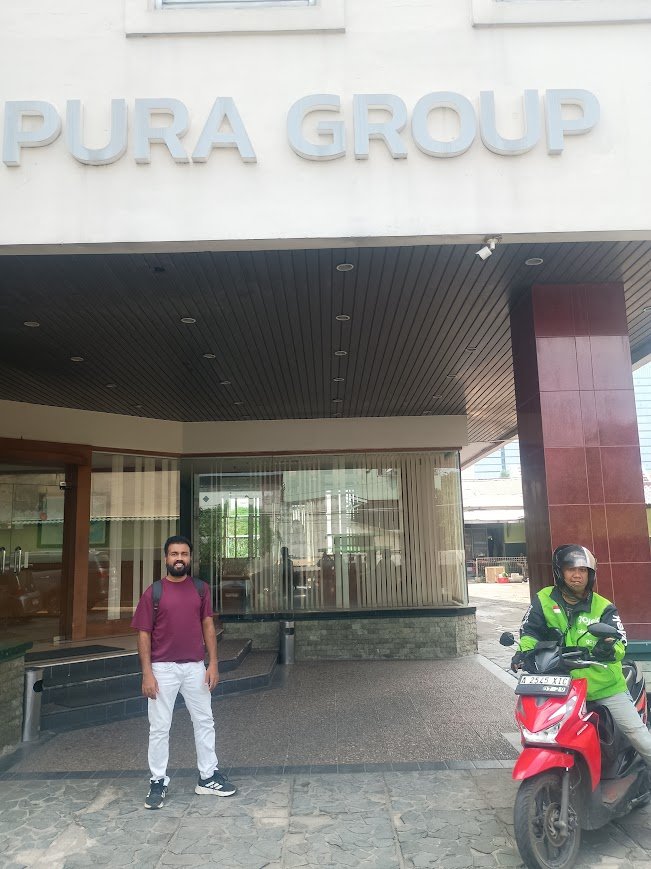
I moved to Indonesia not long ago. I have been sitting with local artisans, learning how they make things by hand, and thinking about how physical products and digital tools might work together. I do not have that part figured out yet. Same itch from the sketchbook days, just bigger now.
Digital products are the main thing at Hard Part Done and the bigger goal is to help people turn what they already know into something they can actually sell, and without overthinking about the hard parts of the process, as all of those are already done by me.
If this sounds like where you are, come inside.
— Ashar Ali